
Physio Invasiva 2.0 is a compact, high-performance electrotherapy device designed for advanced clinical and hospital use. Built for precision, it delivers a wide range of percutaneous electrolysis and neuromodulation therapies using the most effective electrical currents in the field.
With precise control over intensity, delivery time, and current type, the system allows clinicians to tailor each treatment to the individual’s condition — whether for pain relief, tissue regeneration, or guided intervention. Its lightweight and portable design make it ideal for use across multiple treatment rooms or external clinics, without compromising on safety or performance.
Physio Invasiva 2.0 is a Class IIb medical device and fully compliant with European safety directives.
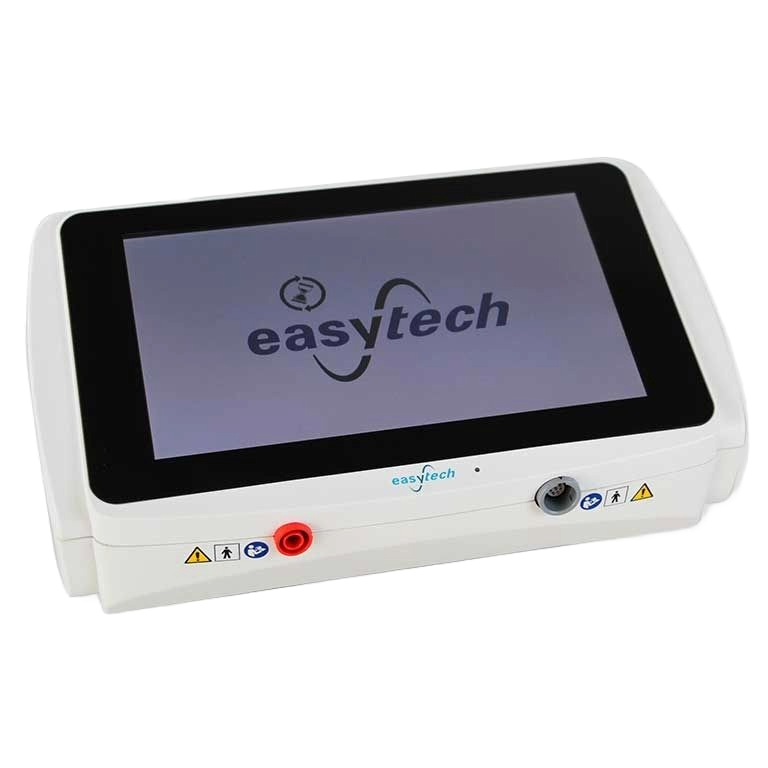
Multi‑waveform delivery: incorporates galvanic, PES, PES 2.0, microcurrents and TENS in a single system.
Precise control of current & time: intensity and application duration are adjustable to fine degrees for safer, targeted treatment.
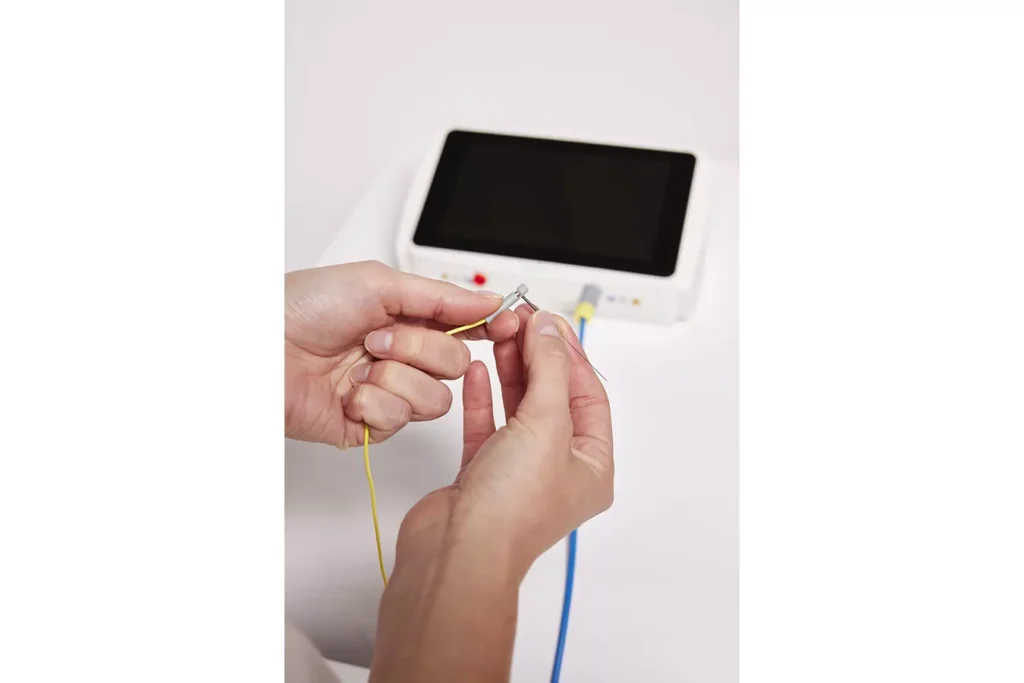
Needle compatibility: works with a range of needle thicknesses (0.18 mm to 0.35 mm), expanding clinical applicability.
Automatic current recognition & component connection: components recognize themselves and current types automatically, simplifying setup.
Compact, portable design: lightweight and small footprint for flexible use across treatment rooms or mobile clinics.
Seven waveforms in one tool: includes Galvanic Plus, Microcurrents, TENS (three modes), PES, and PES 2.0.
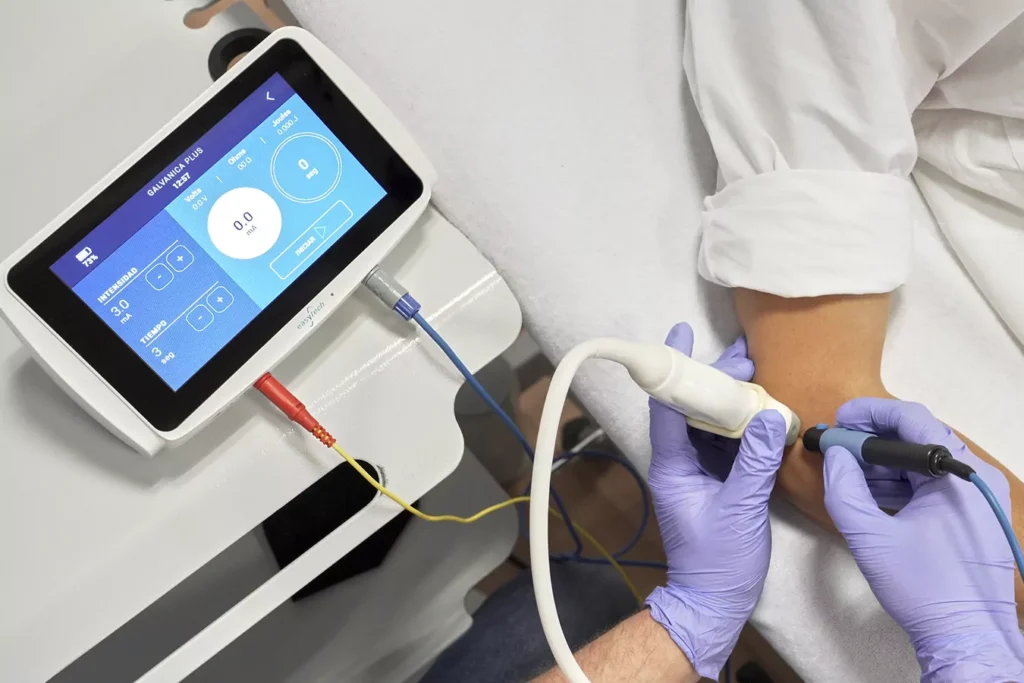
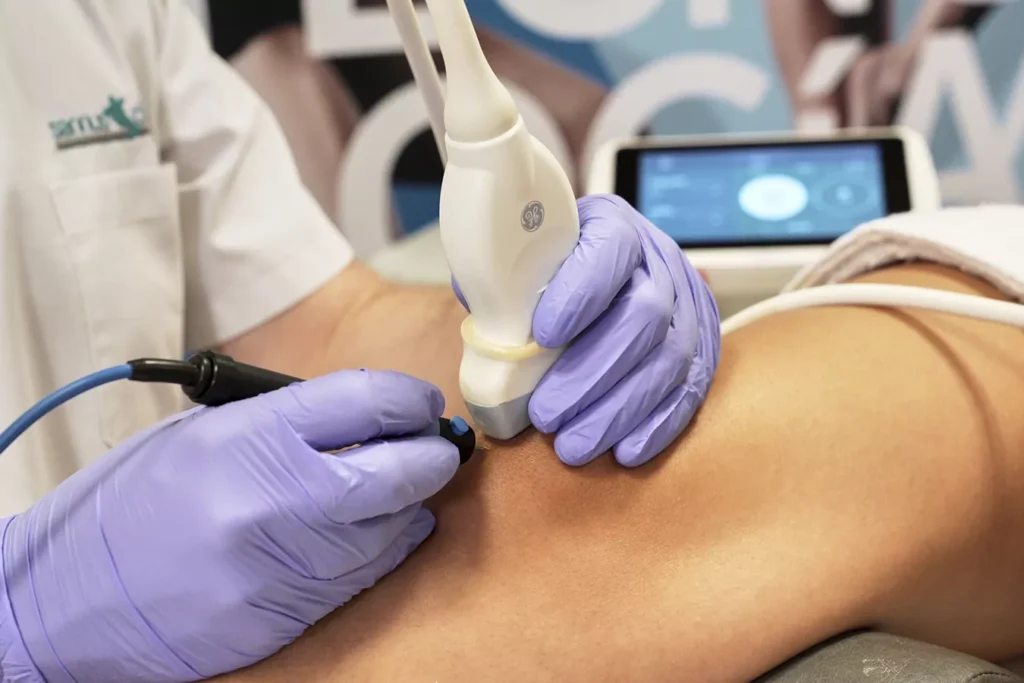
Physio Invasiva 2.0 delivers targeted electrotherapy directly into the tissue using galvanic and alternating current modes, including PES, PES 2.0, microcurrent, and TENS. Galvanic currents promote healing and regeneration, and are particularly effective for ultrasound-guided electrolysis techniques (USGET).
The alternating currents offer neuromodulation benefits — helping to reduce pain and inflammation, either as a standalone treatment or in combination with galvanic stimulation. This hybrid approach allows clinicians to fine-tune protocols based on clinical goals, patient tolerance, and response during the session.