While most exercise bikes use isotonic resistance (variable speed against a constant load), the HUMAC BIKE is not like most.
Instead, it uses isokinetic resistance: a constant speed with an accommodating load, the same strength-building principle behind CSMi’s renowned HUMAC NORM system.
Once the rider reaches the preset speed, pedalling harder doesn’t increase speed: it increases the load. The result is functional, accommodating muscle contractions from the very first revolution, making it possible to build maximum muscle capacity from the moment treatment begins.
Because resistance accommodates to each limb independently, the stronger side is never held back by the weaker. Both legs receive a maximum strength training benefit simultaneously, which is a meaningful advantage for post-surgical rehabilitation, addressing asymmetrical strength deficits, and return-to-sport protocols.
Isokinetic resistance delivers a constant speed with an accommodating load, so every pedal stroke builds maximum strength.
Independent bilateral resistance means each limb works against its own output, so the stronger side is never limited by the weaker.
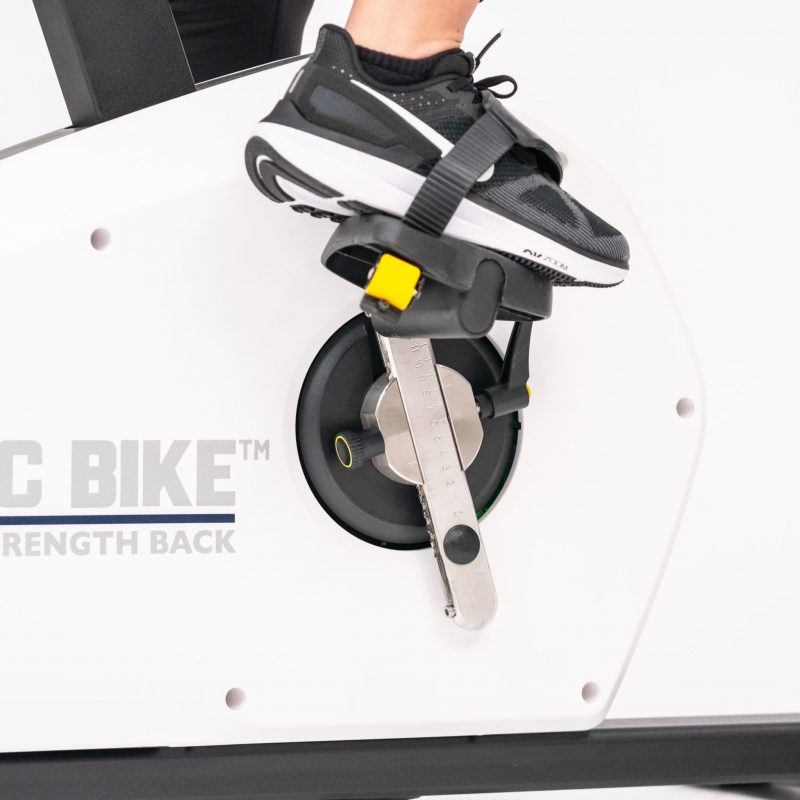
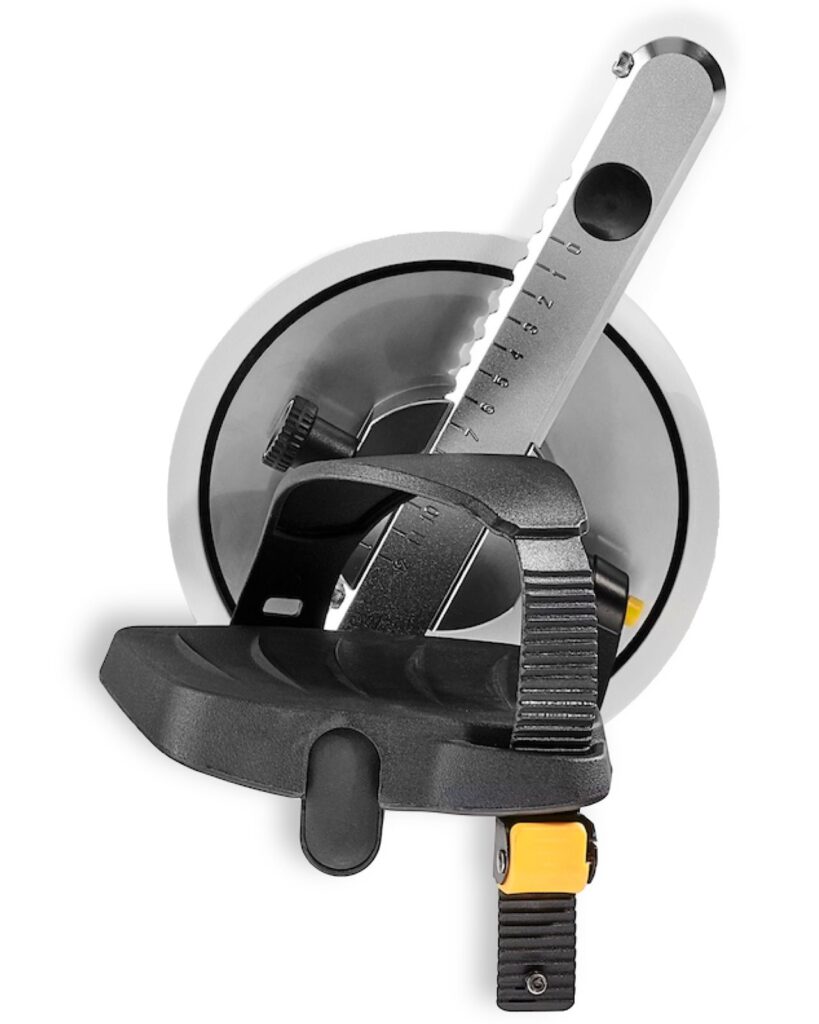
Adjustable-length crank arms accommodate patients with limited range of motion.
A 1 inch low step-over makes mounting and dismounting easy and safe for every patient.
Self-powered design eliminates the power cord, so the bike can be placed anywhere in the clinic.
Whisper-quiet operation keeps it unobtrusive in any treatment or performance environment.
Why the HUMAC Bike?
Unlike conventional exercise bikes built for cardiovascular conditioning, the HUMAC BIKE is purpose-built for strength and physical therapy.
Its isokinetic resistance delivers functional, accommodating contractions from the very first session, while independent bilateral loading ensures both limbs are challenged to their full capacity, making it a uniquely effective tool for rehabilitation, return-to-sport, and performance development.
What It Does
The HUMAC BIKE allows practitioners to:
Build strength from session one: Isokinetic resistance generates maximum, accommodating muscle contractions the moment treatment begins — no need to wait for tolerance to load to develop.
Address strength asymmetries: Independent bilateral loading challenges each limb to its own capacity, helping correct side-to-side deficits common in post-surgical and injured populations.
Accommodate limited range of motion: Adjustable-length crank arms allow patients to begin cycling earlier in their rehabilitation, even with restricted knee or hip ROM.
Bridge rehab and performance: Progress patients seamlessly from early-stage recovery through to high-output strength and conditioning on a single piece of equipment.